
 English
  中文 (香港)
  Bahasa Indonesia

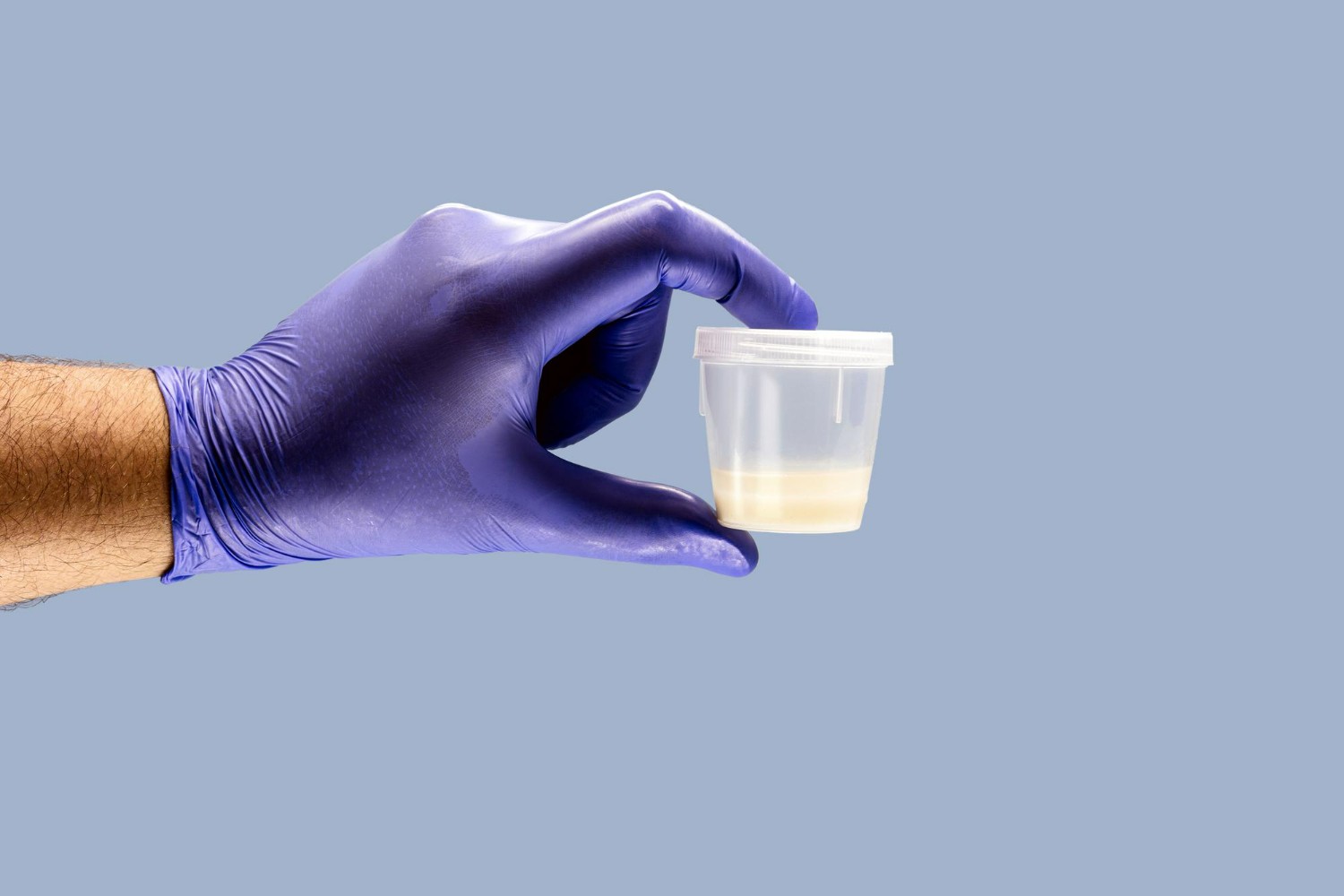
The color of semen can indicate various aspects of male reproductive health. While many may assume that semen is always white, variations in color can occur—and some are completely normal, while others may signal an underlying health condition. In general, healthy semen tends to be thick and slightly sticky, not watery. Apart from texture, color […]
The color of semen can indicate various aspects of male reproductive health. While many may assume that semen is always white, variations in color can occur—and some are completely normal, while others may signal an underlying health condition.
In general, healthy semen tends to be thick and slightly sticky, not watery. Apart from texture, color also plays a role in evaluating sperm health. Here’s what different semen colors may mean for your health.
What Does Semen Color Indicate?
You may have heard that healthy semen resembles egg whites in appearance—is that true? To a certain extent, yes. The color of semen is primarily influenced by a man’s health condition. Issues like prostate enlargement or sexually transmitted infections (STIs) can cause unusual changes in semen color, such as a grayish or translucent white hue.
Healthy semen generally has an off-white or whitish-gray color. However, it’s not uncommon for men to notice changes in color due to various physiological or dietary factors. Let’s explore the most common semen color variations and what they might mean.
Read more: 8 Sexually Transmitted Diseases in Men: Types, Symptoms, and Prevention
Common Semen Colors and Their Meanings
1. Clear or Milky White
Clear or milky white semen is typically a sign of good health. This color suggests that semen contains normal levels of compounds such as citric acid, fibrinolysin, and other proteins that are essential for fertility. Slight variations between clear and milky white are normal and are usually no cause for concern.
2. Yellowish Hue
Semen that appears yellowish can be confusing. In some cases, it’s completely harmless, especially if it’s a pale yellow. However, a strong yellow color might indicate:
- Presence of urine in the semen
- High levels of white blood cells
- Consumption of sulfur-rich foods (e.g., garlic, onions)
- Possible infections or medical conditions
To address yellow-tinted semen, consider drinking more water, exercising regularly, particularly with activities that reduce inflammation like swimming, and urinating before ejaculation to reduce urine mixing with semen.
3. Golden Yellow
A golden yellow color usually results from urine mixing with semen, especially if urination occurs shortly before ejaculation. This isn’t usually a sign of a serious condition and can be improved by increasing fluid intake and ensuring the bladder is emptied before sexual activity.
4. Black or Dark Brown
Black semen is rare and considered abnormal. It may indicate the presence of old blood in the ejaculate, which could have remained in the body before being expelled. This condition, known as hematospermia, may be linked to:
- Spinal cord injuries
- High levels of heavy metals in the body
- Trauma or bleeding within the reproductive tract
Black or dark brown semen warrants medical attention to rule out serious conditions.
Read more: What Is Semen? Understanding Its Function, Characteristics, and Differences from Sperm
Understanding semen color can be a useful way to monitor your reproductive health. While thick, white or slightly gray semen is typically considered healthy, occasional clear semen is also normal and often indicates a more diluted consistency.
If you observe persistent changes in semen color—especially if it’s yellowish, greenish, or dark—it’s advisable to consult a healthcare professional. Staying hydrated, maintaining a healthy diet, and practicing good hygiene can support optimal sperm health.