Semua Artikel

Understanding the Stages of Embryonic Development (Embryogenesis)

Admin
09 Jun 2025
Share Facebook Twitter WhatsApp
Understanding the Stages of Embryonic Development (Embryogenesis)

The term embryogenesis, or embryonic development, may not be widely known among the general public. However, this biological process is fundamental in the fields of medicine, education, and scientific research. Understanding the stages of embryogenesis is essential, as it is closely linked to pregnancy and fetal development. This article provides a clear and comprehensive explanation […]
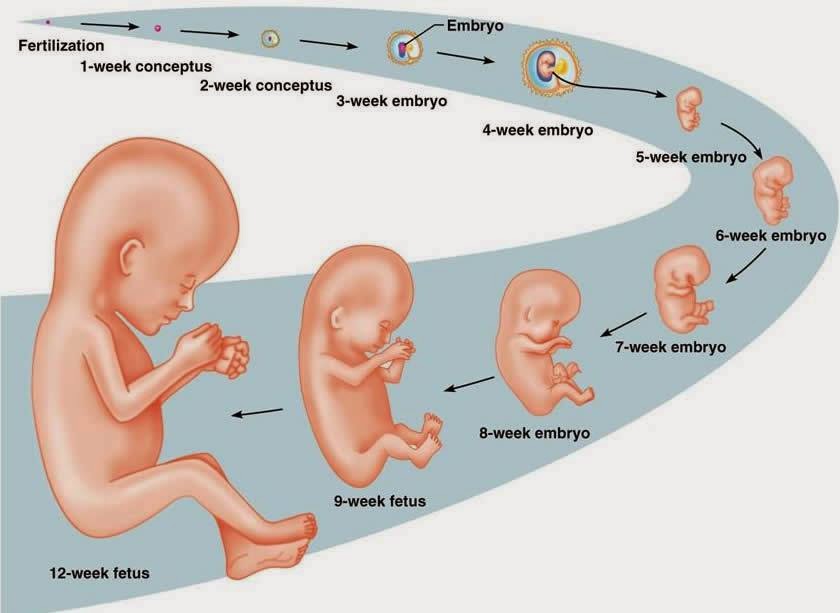
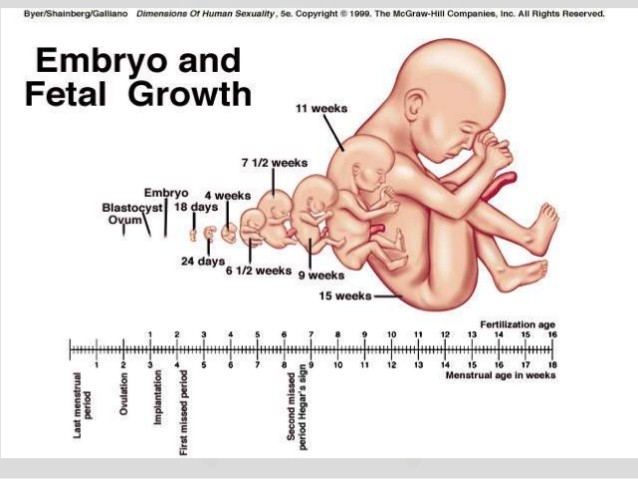
The term embryogenesis, or embryonic development, may not be widely known among the general public. However, this biological process is fundamental in the fields of medicine, education, and scientific research. Understanding the stages of embryogenesis is essential, as it is closely linked to pregnancy and fetal development. This article provides a clear and comprehensive explanation of the stages of embryonic development.

Stages of Embryonic Development

Embryogenesis consists of several sequential stages, each characterized by distinct cellular and structural changes. These stages significantly influence the course of pregnancy and fetal formation. Here are the major stages:

1. Morula Stage

embrio transfer adalah

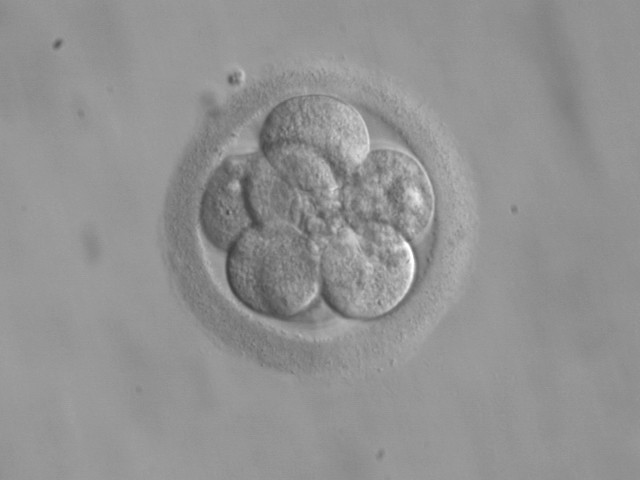
The process begins with the fertilization of an egg, forming a single-cell zygote. The zygote undergoes a series of mitotic cell divisions, known as cleavage, resulting in the formation of smaller cells called blastomeres. When the embryo reaches approximately 16 cells, it resembles a solid ball and is referred to as the morulanamed for its resemblance to a mulberry (Latin: morum).

At this point, the morula is a compact mass of cells with no internal cavity, and the cells are tightly packed together.

2. Blastula Stage

Following the morula stage, continued cell division leads to the formation of the blastula. In this stage, the cell mass increases to around 100 cells and begins to form a fluid-filled cavity called the blastocoel.

The blastula consists of two main parts:

  • The inner cell mass, which will eventually develop into the embryo.
  • The trophoblast, the outer layer of cells that will form part of the placenta.

At this stage, the embryo relies on nutrients such as glucose, amino acids, pyruvate, and lactate to sustain development.

3. Gastrula Stage

embryonic development

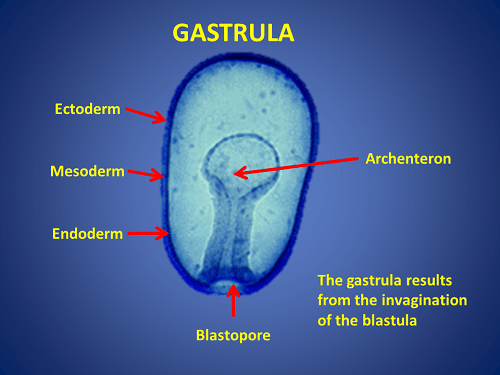
During the gastrulation phase, the previously uniform cell mass undergoes significant reorganization, forming three distinct germ layers, known as the germinal layers. These layers are crucial because they will differentiate into various tissues and organs of the body.

The three primary germ layers are:

  • Ectoderm: the outermost layer, which will form the skin (epidermis), nervous system, eyes, and inner ear.
  • Mesoderm: the middle layer, which will develop into muscles, bones, blood vessels, kidneys, and reproductive organs.
  • Endoderm: the innermost layer, which will give rise to the digestive tract, liver, pancreas, lungs, and other internal organs.

4. Organogenesis Stage

embryonic development

The final stage of embryogenesis is organogenesis, where organ systems begin to develop from the three germ layers formed during gastrulation. Each layer contributes to specific organ systems:

  • Ectoderm-derived structures: epidermis, brain and spinal cord (central nervous system), peripheral nerves, sensory organs (eyes and ears).
  • Mesoderm-derived structures: skeletal muscles, bones, heart, blood vessels, kidneys, gonads, and components of the excretory and reproductive systems.
  • Endoderm-derived structures: lining of the gastrointestinal and respiratory tracts, liver, pancreas, thyroid gland, and parts of the reproductive tract.

Embryogenesis is a vital biological process that lays the foundation for human development during pregnancy. Understanding these stages helps us appreciate the complexity of life formation and the importance of maternal health. By taking good care of pregnancy through proper nutrition, regular prenatal check-ups, and a healthy lifestyle, expectant mothers can support optimal fetal development and ensure a healthy birth outcome.

Share Facebook Twitter WhatsApp

Artikel Terkait